Mobile Billboard Routes, Timing and Coverage: A 2026 Guide to Hong Kong's 18 Districts
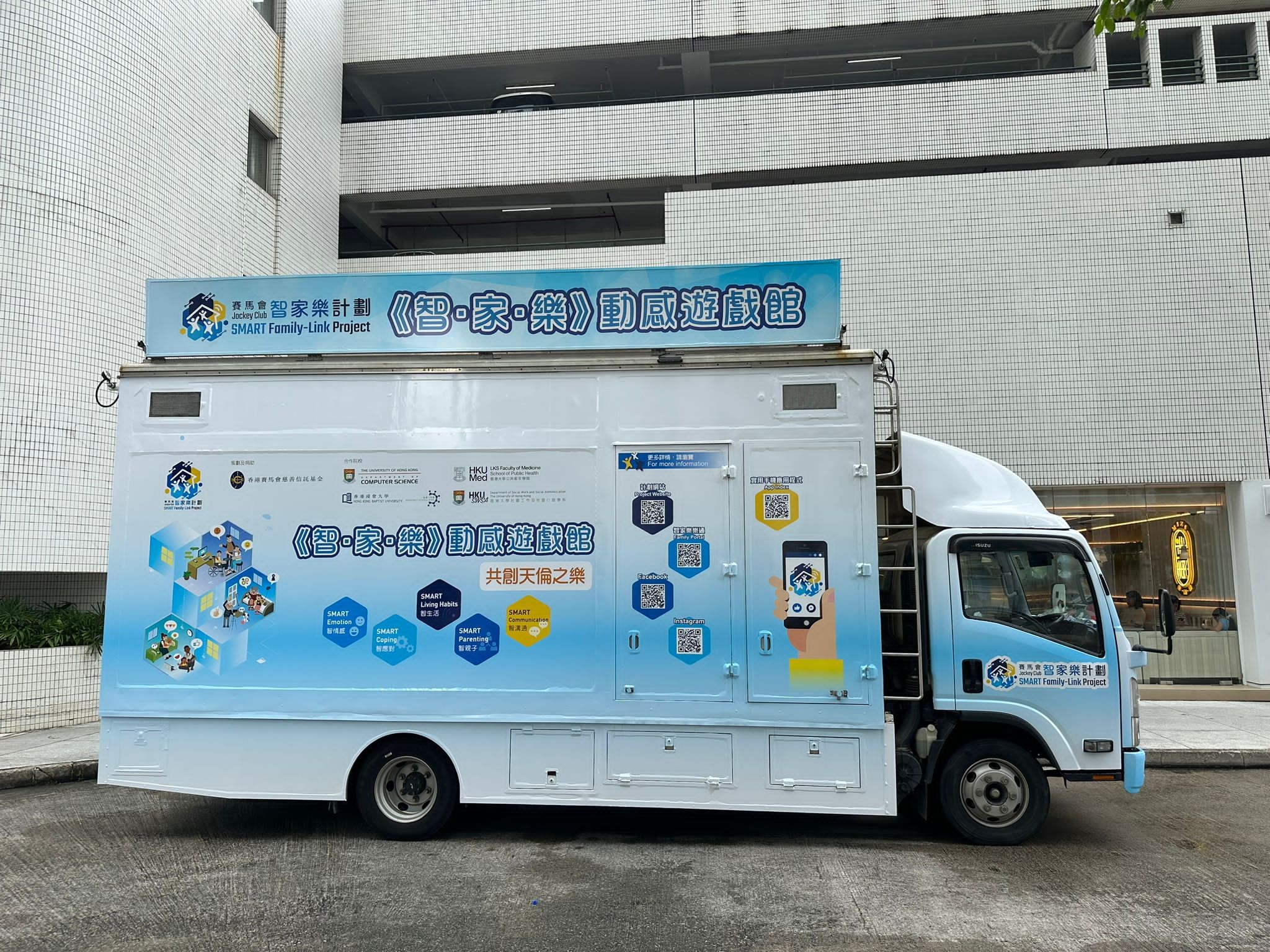
Success depends on where a vehicle goes and when. A common request is to cover all 18 districts and as many places as possible, leaving too little time in each and giving people only one glimpse. This guide starts with the official districts, identifies places where stopping is prohibited and explains how to schedule routes with free tools.
1. Three questions before route planning
First: where is your audience at each time of day?
The same location becomes a different medium at different times. Central has a high concentration of office workers at weekday lunch but can be much quieter on Sundays. Around New Town Plaza in Sha Tin, weekend afternoons attract families, while weekday afternoons mainly serve local residents.Start with where your audience will be and when, rather than footfall alone.
Second: broad reach or repeated contact?
Broad coverage uses main roads and changing routes to reach more people once. Repetition uses small loops so fewer people see the message three to five times. Prioritise one: it determines whether a vehicle makes a large circuit or repeats local loops over several days.
Third: does the campaign have a focal location?
A shop opening centres on its walking catchment, a property launch on its development, and a mall event on the entrances. Build routes around that centre and pass it on every loop. General brand campaigns without a focal location are better suited to shopping-district tours. For vehicle combinations, see LED advertising trucks versus mini promotional trucks。
2. Hong Kong's 18 districts and what they mean for campaigns
Administrative districts are not shopping districts
The boundaries of Hong Kong's 18 administrative districts remain unchanged. The 2023 District Council election established 44 geographical constituencies, each electing two members for a total of 88. There are four administrative districts on Hong Kong Island, five in Kowloon and nine in the New Territories.
This distinction matters for advertising:“Covering 18 districts” does not mean covering 18 commercial areas.Kwun Tong has four District Council geographical constituencies and Tuen Mun three, with considerable variation within each district; Wan Chai has one. Discuss specific roads and commercial areas with suppliers rather than a district count.
Define coverage by itinerary
Use three levels: Core roads(on every loop), secondary roads(on alternate loops), and boundary roads(for connections only). Recording these in the itinerary is clearer than “cover East Kowloon” and makes route-log verification easier.
3. Start with the rules: where stopping is prohibited
A frequent planning mistake is assuming a desirable stop is a permissible one. The following Road Users' Code restrictions should be checked before designing the itinerary.
Places where stopping, loading and unloading are prohibited
- Expressways
- No-stopping restricted zones during their operating hours
- Zebra crossings and signal-controlled pedestrian crossings
- Zigzag-controlled areas around zebra crossings, except when giving way to crossing pedestrians or waiting to turn left or right
- Bus stops, public light bus stops and taxi stands, except authorised users
- Road sections normally closed to the vehicle, such as bus lanes, shoulders and cycle tracks
- Tunnel areas and control areas
- Yellow box junctions and yellow-striped signal-controlled pedestrian crossings
Restriction hours by signpost colour
| Post colour | Restricted hours |
|---|---|
| Red | 7am–midnight |
| Yellow | 7am–7pm |
| Green | 8–10am and 5–7pm |
| Grey | Other hours |
Remember two points. First, post colours are only a guide; the hours on the restriction sign govern. Second, do not stop beside a single yellow line with a no-stopping sign during the displayed hours. Double yellow lines and/or an all-day no-stopping sign prohibit stopping at any time. Some restrictions have signs without yellow road markings.
Places where drivers should not stop
The Road Users' Code also advises against stopping at or near school entrances, even to collect or set down pupils; near school crossing patrols; where signs or markings would be obscured; at or near bus stops, minibus stops or taxi stands; near pedestrian crossings; on two-way roads with double white lines; at or near junctions, bends or hillcrests; or opposite traffic islands. Do not block vehicle access to buildings or car parks, or access from the carriageway to fire hydrants.
Three direct effects on route planning
First: school campaigns should drive through rather than stop at the gate.Although stopping near schools at dismissal is often suggested, the Code advises against it even for pupil pick-up. Drive through at a safe speed during dismissal, or use nearby legal parking along parents' walking routes.
Second: stationary displays in busy commercial areas usually require a venue.Core roads in Mong Kok, Causeway Bay and Tsim Sha Tsui commonly have stopping restrictions, often all day. Extended roadside displays are impractical. Arrange a mall, private site, event venue or other authorised location.
Third: include restriction hours in the itinerary.Green-post restrictions cover 5–7pm, coinciding with the after-work peak. During those hours a road may allow driving but no stopping, so allocate time accordingly.
4. Put the eight hours in the right place
Confirm how many hours a “day” includes
Suppliers use different definitions: some allow eight hours between 10am and 10pm; others offer nine service hours starting on arrival, excluding the outward journey. The latter can be better for customers, especially at distant venues.Clarify this before pricing, or the schedule may differ by one or two hours.For a comparison, see Mobile billboard hire costs: daily, weekly and monthly rates。
Four time slots and their characteristics
| Time | Audience characteristics | Suitable uses | Considerations |
|---|---|---|---|
| Morning commute (around 7:30–9:30am) | Dense footfall, but people are rushing | Repeated brand-name exposure | Many hire packages begin at 10am, so this may be unavailable |
| Lunch (around noon–2pm) | Slower walking pace and more attention to surroundings | Business-district brands, food and finance | One of the better periods for viewing time |
| After work to dinner (around 6–8pm) | Peak footfall | Retail, food and event announcements | Some roads prohibit stopping from 5–7pm |
| Evening (around 8–10pm) | Lower density but more concentrated attention | Strongest LED visual impact | Observe residential noise controls |
Priorities on a limited budget
Focus on periods with better viewing quality: lunch and after work for office audiences, weekend afternoon to early evening for families, and evening slots for nightlife.The same daily hire can be wasted at the wrong time. The ability to choose when and where to appear is a key advantage over a fixed billboard.
5. Suggested roads and times for major commercial areas
Important context: Hong Kong has no shared, publicly audited industry standard for street-footfall data. The table reflects operational judgement, not official statistics. Combine it with the self-checking method in section 6 and the supplier's actual route records.
| Commercial area | Main audience | Suggested timing | Main roads |
|---|---|---|---|
| Central / Admiralty | Office workers and finance/insurance audiences | Weekday lunch and after work | Around Des Voeux Road Central and Queen's Road Central |
| Causeway Bay | Young people and shoppers | Friday–Sunday, afternoon to evening | Around Hennessy Road and Yee Wo Street |
| Tsim Sha Tsui / Tsim Sha Tsui East | Visitors, families and retail audiences | Afternoon to evening | Around Nathan Road and Canton Road |
| Mong Kok | Students and local residents | Afternoon to evening, throughout the week | Around Nathan Road and Argyle Street |
| Kwun Tong / Kowloon East | Office workers | Weekday lunch and after work | Around Kwun Tong Road and Hoi Yuen Road |
| Sha Tin | Families and estate residents | Weekend daytime | Around Sha Tin Centre Street and Yuen Wo Road |
| Tsuen Wan / Kwai Tsing | Families and commercial/industrial audiences | Weekday afternoons and weekends | Around Sha Tsui Road and Castle Peak Road |
| Tuen Mun / Yuen Long | New-town residents | Weekend daytime to early evening | Castle Peak Road and roads around town-centre malls |
| Tseung Kwan O | Families in newer estates | All day at weekends | Around Tong Tak Street and Po Yap Road |
Two reminders: check restriction hours and stopping rules on every core road, since permission to drive does not mean permission to stop; and road names are only a starting point. The supplier should confirm the itinerary against traffic and closures on the day. For industry approaches, see Mobile billboard campaigns across all 18 districts。
6. Analyse hotspots with free tools
No specialist GIS software is needed. These four Google Maps steps produce findings you can give directly to a supplier.
Step 1: identify places your audience visits often
Search the location types your audience uses: secondary schools, tutors and cinemas for students; malls, supermarkets, parks and clinics for families; offices, restaurants and gyms for workers. Mark relevant places in the target district. Dense clusters define the core campaign area.
Step 2: check peaks with Popular Times
Google Maps place listings can show hourly relative busyness in a Popular Times chart. Compare five to ten target places to identify the area's busiest hours.This replaces guesswork with observed data : a district's peak may be one or two hours earlier or later than expected.
Step 3: connect hotspots into a loop without backtracking
Choose five to eight hotspots and use route planning to form a loop. Check one-way roads, prohibited turns, goods-vehicle restrictions and height limits. A loop keeps the vehicle moving without time-consuming turnarounds. Mark restricted zones and legal parking for short stops.
Step 4: change loops by time of day
Prepare two or three small loops instead of one large all-day circuit: business districts at lunch, shopping areas after work and dining/entertainment areas at night.Shorter loops usually improve repetition because the same audience can see the vehicle again sooner.
Send us this analysis with your campaign objectives. We can refine it using route experience and traffic conditions through the contact page .
7. Moving and stationary displays: different exposure models
Moving display
Continuous movement reaches more people per hour, covers several roads and avoids the need for parking. However, pedestrians may see it for only two or three seconds, requiring simple creative, and on-site interaction is unavailable. It suits brand recognition, event announcements and heavily restricted commercial roads.
Stationary display
A fixed stop supports staffed distribution, trials and QR interaction, with longer viewing time and more information. It requires a legal, suitable site. Since many core urban roads prohibit stopping, displays usually belong in malls, private sites, event venues or authorised spaces rather than at the roadside.
A hybrid is often most practical
Divide the day between driving in core shopping areas for coverage, authorised venue stops for interaction, and neighbourhood loops for repeat exposure. This respects stopping restrictions while retaining conversion opportunities. For staffing and venue coordination, see Event production services; for space and payload, see the Mini promotional truck(up to 1,000 kg carrying capacity, solar power and Wi-Fi) and Mobile showroom truck。
8. Three coverage strategies
Strategy 1: neighbourhood repetition
Focus on one or two core areas, repeating the same roads over five to seven days. This suits shop openings, community services and local brands. The key is to keep the route almost unchanged to encourage repeat contact, while refreshing LED content to avoid fatigue. See A practical three-day store-opening plan。
Strategy 2: concentrated launch
Spend one or two days in the busiest commercial districts while releasing social content to create conversation. This suits product launches, event warm-ups and campaigns needing a quick burst of awareness. Use LED for visibility and arrange photography to extend the activity's life. Add a Mobile stage truck for live elements, or see Complete promotional plan for product launches。
Strategy 3: citywide coverage
Run several vehicles simultaneously in different districts with consistent messaging. This suits government, charities and major launches. Fleet production can offer economies of scale: public quotes indicate wrapping costs as low as around HK$5,000 per vehicle for fleets above ten, substantially below single-vehicle quotes. For examples, see Mobile Promotion Across 10 Industries。
Choosing a strategy
Ask: Do you need many people to see it once, or fewer people to see it five times?Choose concentrated or citywide coverage for the former and neighbourhood repetition for the latter. Broad reach builds awareness; repetition supports visits. With sufficient budget, start with a burst for awareness and follow with local repetition for conversion.
9. Election and special-use route rules
Restrictions on election advertisements on vehicles
Relevant government guidance states that election advertisements should not appear on windows, especially windscreens or anywhere obstructing the driver's view, above windows or on the exterior roof. Owners or operators must obtain written Transport Department approval before placing election advertisements on public light buses or taxis, and meet the approval conditions, particularly safe operation.
Loudspeaker time restrictions
Electoral Affairs Commission guidelines state that, to reduce public nuisance, candidates must not use loudspeakers for electioneering between 9pm and 9am. At any time, amplified noise in domestic premises or public places causing annoyance amounting to a nuisance breaches section 5(1)(b) of the Noise Control Ordinance (Cap. 400), including vehicle-mounted speakers. No acceptable decibel level is specified.
Advertising-vehicle permits
Section 52A of the Road Traffic Ordinance (Cap. 374) covers vehicles used or intended primarily for advertising. Owners can apply and pay the prescribed fee for a permit from the Commissioner for Transport, with possible conditions. Current policy issues permits only for non-commercial uses; seven valid permits existed as at 2 September 2025. Driving or using an advertising vehicle without one carries a maximum first-conviction penalty of HK$5,000 and three months' imprisonment. Standard commercial campaigns use properly licensed goods vehicles or vans with compliant graphics or LED screens under ordinary traffic and parking rules. Consult current Transport Department guidance, and see Twenty frequently asked questions about mobile promotional vehicles。
Private sites and schools
Entering malls, private estates, school grounds or other private property requires advance permission from the owner, management or school. This often takes longer than vehicle arrangements, so start when booking dates. Public-road locations at or near school entrances remain places where drivers should not stop.
10. Verify that the route was completed
Request two forms of delivery evidence
First, route records: actual roads, times and stationary durations. Some fleets have real-time GPS throughout their vehicles, providing location and traffic records that can verify contract delivery. Second, on-site photography and video: these document execution and provide social content that extends the campaign's life.
Treat impression estimates carefully
Some suppliers estimate exposure by periodically counting hourly pedestrian flows and building data for main stops. This has value, but Hong Kong has no shared, publicly audited OOH impression standard, so supplier figures may not be comparable. Ask about measurement method, sample periods and deduplication. For cross-media comparisons, see Mobile Billboards vs Bus, MTR Lightbox, Tram and Taxi Advertising: Costs and ROI。
Response tracking remains the strongest verification
A dedicated QR code, truck-only promotion code or telephone number links street activity to enquiries and orders, which can be matched to time slots. This offers more reliable feedback than impression estimates and helps optimise routes: increase time on sections generating more scans.
11. Frequently asked questions
How many districts can a mobile promotional vehicle cover?
Campaigns can be planned across Hong Kong's 18 administrative districts: four on Hong Kong Island, five in Kowloon and nine in the New Territories. These are administrative areas, not commercial centres. In the 2023 District Council election, Kwun Tong had four geographical constituencies, Tuen Mun three and Wan Chai one, illustrating variation within districts. Specify roads and commercial areas, with core, secondary and connecting roads in the itinerary for later verification.
How many districts can one vehicle cover in a day?
In eight to nine hours, two to four neighbouring commercial areas are usually more realistic than chasing a district count. Congestion and traffic lights reduce speed, cross-district transfers consume time with little exposure value, and short visits undermine repetition. Prepare two or three small loops and change them by time slot rather than using one large all-day circuit.
Is daytime or evening more effective?
Daytime offers denser footfall, but strong ambient light requires sufficient LED brightness; 5,000 nits is a common industry minimum for outdoor mobile LED. Evening has fewer people but stronger visual impact and attention, with screens usually dimmed to reduce glare. Choose daytime for reach and evening for visual impressions and photography; combine both if budget permits. Residential audio use at night must comply with the Noise Control Ordinance.
Can we promote outside a school gate?
Do not stop there. The Road Users' Code advises against stopping at or near school entrances even for pupil pick-up or drop-off, and near school crossing patrols. Drive through safely during dismissal along parents' walking routes, or use nearby legal parking. Displays inside school grounds require prior written school permission.
Can we park at the roadside for a display in a core shopping area?
Usually not. Core roads in Mong Kok, Causeway Bay and Tsim Sha Tsui commonly have stopping restrictions. Bus stops, minibus stops and taxi stands prohibit stopping, loading and unloading; expressways, tunnel/control areas and pedestrian crossings are also prohibited. Post colours indicate typical hours: red 7am–midnight, yellow 7am–7pm, green 8–10am and 5–7pm, grey other times. Colours are only a guide; signs govern. Use a mall, private site, event venue or authorised location for stationary displays.
Can I rely entirely on restriction-post colours?
No. Transport Department guidance says colours are for reference; the hours on signs govern. A single yellow line with a no-stopping sign prohibits stopping during the displayed hours. Double yellow lines and/or an all-day sign prohibit stopping at all times. Some zones have signs but no yellow markings, making on-site checks more reliable than maps.
What extra restrictions apply to election vehicles?
Three areas: government guidance says no election advertisements on windows, particularly windscreens or anywhere obstructing the driver, above windows or on the exterior roof; candidates may not use loudspeakers for electioneering from 9pm to 9am, while nuisance at any time breaches section 5(1)(b) of the Noise Control Ordinance, including vehicle speakers; and public light bus or taxi owners/operators need written Transport Department approval and must meet its conditions.
Can we change the route at short notice?
Yes, but route changes require driver planning, checks of traffic and restriction hours, and possibly revised tunnel or cross-district charges. Notify the supplier early, ideally confirming the day before. LED content changes are faster: replacing MP4 or JPEG files allows same-day switching. Printed graphics require replacement materials and labour. If changes are likely, choose LED playback at the outset.
How can I verify that the vehicle followed the itinerary?
Request route records and on-site photos/video. Logs should show actual roads, times and stop durations; some fleets offer real-time GPS across all vehicles. Photos verify execution and provide social content. Specify deliverables and deadlines in the contract. For impression estimates, ask about methods and sample times: Hong Kong has no shared public OOH audit standard, so figures from different methods are not directly comparable.
Can data improve the route?
Yes, at low cost. A dedicated QR code, truck-only promotion code or phone number links exposure with enquiries and orders by time slot. Increase high-response sections and remove weak ones. This feedback is more dependable than impression estimates. Before launch, compare Google Maps Popular Times across five to ten target locations to identify hourly peaks and plan accordingly.
Further reading
- A guide to mobile advertising across all 18 Hong Kong districts
- Mobile Promotional Vehicle Costs in 2026: Daily, Weekly and Monthly Prices
- Mobile Billboards vs Bus, MTR Lightbox, Tram and Taxi Advertising: Costs and ROI
- LED Screen Trucks vs Mini Promotional Trucks: Specifications, Brightness, Pixel Pitch and Costs
- Mobile Promotion Across 10 Industries
- The 2026 mobile advertising guide for Hong Kong brands
- Seasonal Promotional Vehicle Planning Schedule
- Ten common rental questions: booking, routes and operators
- All PEAKVEIN promotional vehicle services|LED advertising truck|Mini promotional truck|Mobile showroom truck|Mobile stage truck|Request a quote
Source
- Stopping and restricted-zone rules: Transport Department Road Users' Code · Places where stopping is prohibited、Transport Department Road Users' Code · Places where parking is prohibited、Transport Department · Traffic notices and temporary restricted zones
- The 18 districts: Government press release · 2023 District Council geographical constituency boundaries、Registration and Electoral Office · Constituency boundary descriptions and maps
- Election and noise regulation: Electoral Affairs Commission · Guidelines on loudspeakers and vehicles、Government document · Rules for election advertisements on vehicles、Road Traffic Ordinance section 52A, restrictions on advertising vehicles
- Operational information: TexWood Media · Service hours, GPS tracking and footfall measurement、Exhibition King · Promotional vehicle hire hours and inclusions
Suggested roads and times reflect operational experience, not official footfall statistics. Hong Kong has no shared public OOH impression audit standard. Stopping and restricted-zone information is general; on-site signs and current Transport Department publications govern. Consult the latest Electoral Affairs Commission guidelines for election rules.